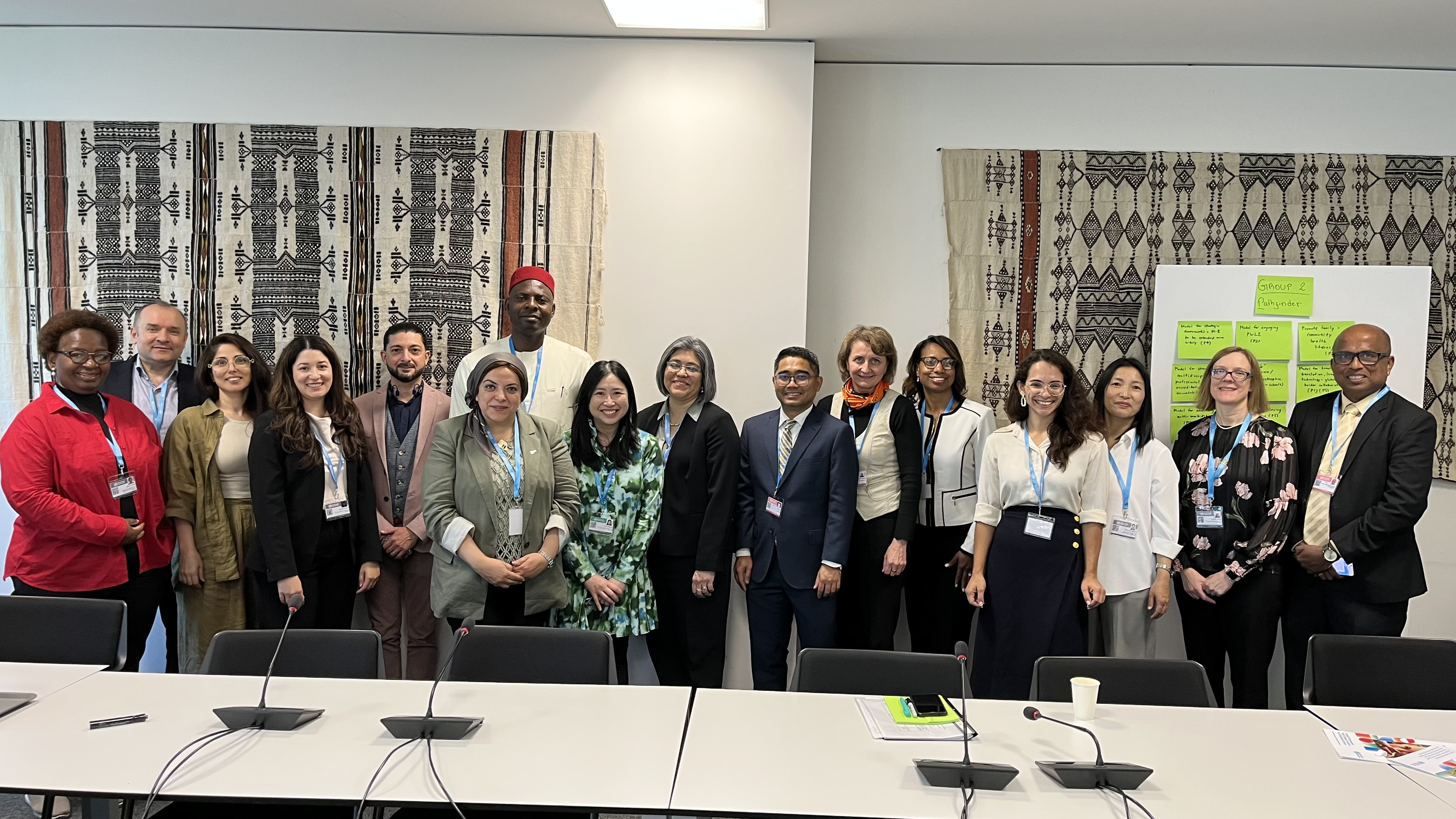
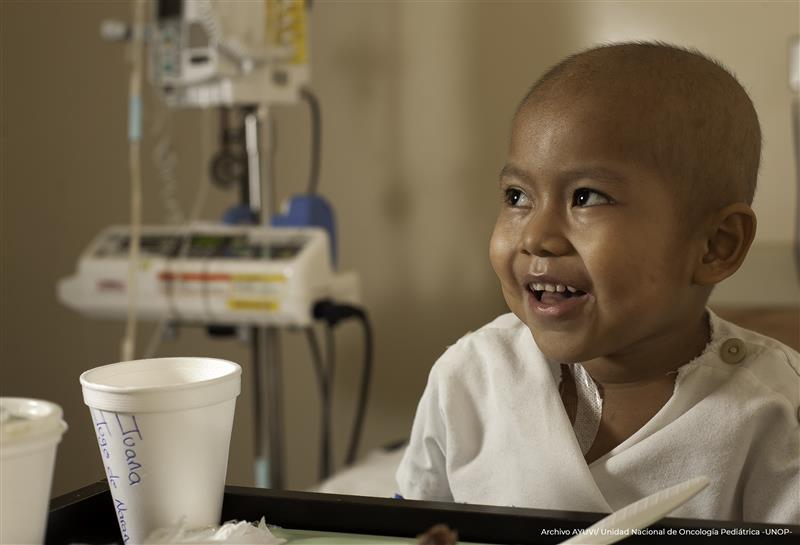
This community of practice aims to bring together leading organizations and global experts on Childhood Cancer with Member State and non-State actors to exchange knowledge, evidence-based policies and serve as an innovation hub for research implementation.
Each year, approximately 400 000 children and adolescents of 0-19 years old are diagnosed with cancer.
Cancer is a leading cause of death for children and adolescents, particularly in high-income countries. The likelihood of surviving a diagnosis of childhood cancer depends on the country in which the child lives: in high-income countries, more than 80% of children with cancer are cured, but in many LMICs only 15-45% are cured.
The reasons for lower survival rates in LMICs include: delay in diagnosis and advanced disease, an inability to obtain an accurate diagnosis, inaccessible therapy, abandonment of treatment, death from toxicity (side effects), and avoidable relapse. Improving access to childhood cancer care, including to essential medicines and technologies, is highly cost effective, feasible and can improve survival in all settings.
What causes cancer in children?
Cancer occurs in people of all ages and can affect any part of the body. It begins with genetic change in single cells, that then grow into a mass (or tumour), invades other parts of the body and causes harm and death if left untreated. Unlike cancer in adults, the vast majority of childhood cancers do not have a known cause. Many studies have sought to identify the causes of childhood cancer, but very few cancers in children are caused by environmental exposure or lifestyle factors. Cancer prevention efforts in children should focus on behaviours that will prevent the child from developing preventable cancer as an adult.
Some chronic infections, such as HIV, Epstein-Barr virus and malaria, are risk factors for childhood cancer. They are particularly relevant in LMICs. Other infections can increase a child’s risk of developing cancer as an adult, so it is important to be vaccinated (against hepatitis B to help prevent liver cancer and against human papillomavirus to help prevent cervical cancer) and to other pursue other methods such as early detection and treatment of chronic infections that can lead to cancer.
Current data suggest that approximately 10% of all children with cancer have a predisposition because of genetic factors. Further research is needed to identify factors impacting cancer development in children.
The World Health Organization (WHO) Global Initiative for Childhood Cancer aims to improve outcomes for children with cancer around the world.
The goal is to give all children with cancer the best chance to survive, to live full and abundant lives and to live and die without suffering. Working across borders, sectors and disciplines, we can create a better future for children with cancer.
In 2018, WHO launched, together with partners, the Global Initiative for Childhood Cancer, to provide leadership and technical assistance to governments to support them in building and sustaining high-quality childhood cancer programmes [4]. The goal is to achieve at least 60% survival for all children with cancer and reduce suffering, globally, by 2030. This represents an approximate doubling of the current cure rate and will save an additional one million lives over the next decade. The objectives of the Initiative are:
to increase capacity of countries to deliver best practices in childhood cancer care; and
to Increase prioritization of childhood cancer at the global, regional and national levels
We use cookies to enhance your browsing experience, serve personalized ads or content, and analyze our traffic. By clicking "Accept All", you consent to our use of cookies. Read More