Global Allergy & Airways Patient Platform
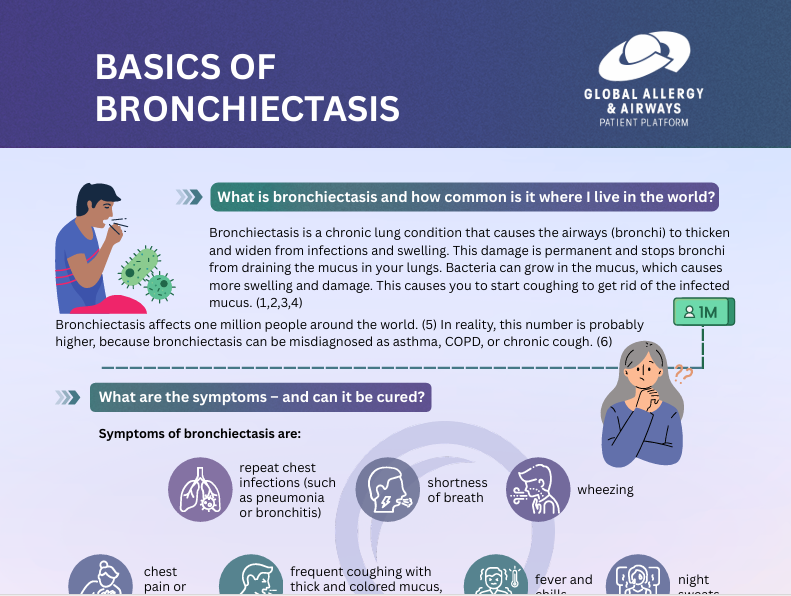
Bronchiectasis Educational Flyers
Guide
05 Feb 2026
23 Apr 2026
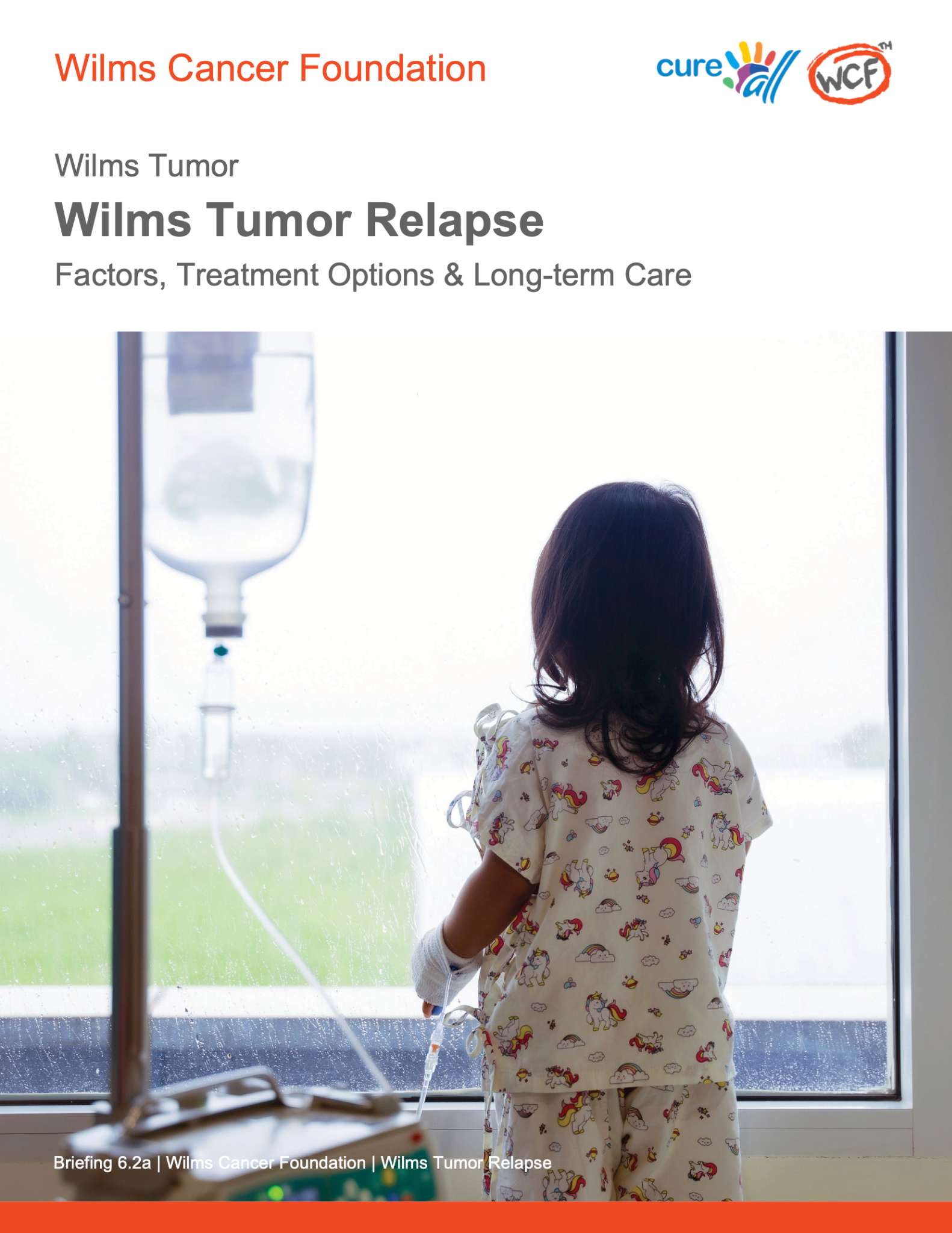
The following information forms part of the Wilms Cancer Foundation's (WCF) wider comprehensive “Briefing Series” on; ‘Wilms tumor’. The series is designed to provide educational information to key stakeholder groups, at multiple levels, including; children, families, caregivers, survivors, healthcare providers, administrators and government.
Briefing Series 6.2a
Pediatric Renal Cancer/ Childhood Kidney Cancer (Wilms): Wilms Tumor Relapse (Factors, Treatment Options & Long-term Care)
This briefing provides a focused overview of relapse in Wilms tumor, explaining why and when relapse may occur, as well as the key factors that influence risk. It outlines current treatment options and the structure of long-term follow-up care, offering caregivers a clear understanding of how relapse is managed and monitored. Designed to be both informative and practical, the document supports families in navigating the complexities of recurrence and ongoing care.
Key Highlights include:
a) Why Relapse Occurs;
b) When Relapse Occurs;
c) Factors Affecting Relapse Risk;
d) Treatment Options;
e) Long-term follow-up Care.
For further information please contact the Wilms Cancer Foundation:
email: info@WilmsFoundation.org
The Wilms Cancer Foundation (WCF), is an international charitable organization, that supports and represents the needs of children, families and healthcare organizations affected by the pediatric renal cancer (childhood kidney cancer) nephroblastoma commonly known as ‘Wilms’. An official partner (Non-State Actor for the WHO) the organizations mission is to support children, families and healthcare providers who are tackling the disease on a daily basis through the establishment of an international program of awareness, education, advocacy, early detection and treatment to improve the quality of life of those diagnosed with the disease and reduce mortality rates. This Wilms Cancer Foundation (WCF) guide is for educational purposes only and is released as part of the World Health Organizations (WHO) Global initiative for Childhood Cancer (GICC). It is based on international pediatric oncology standards in Canada, the United States and Europe.

Guide
02 Feb 2026
Guide
30 Jan 2026
Publication
20 Jan 2026
Publication
20 Dec 2025